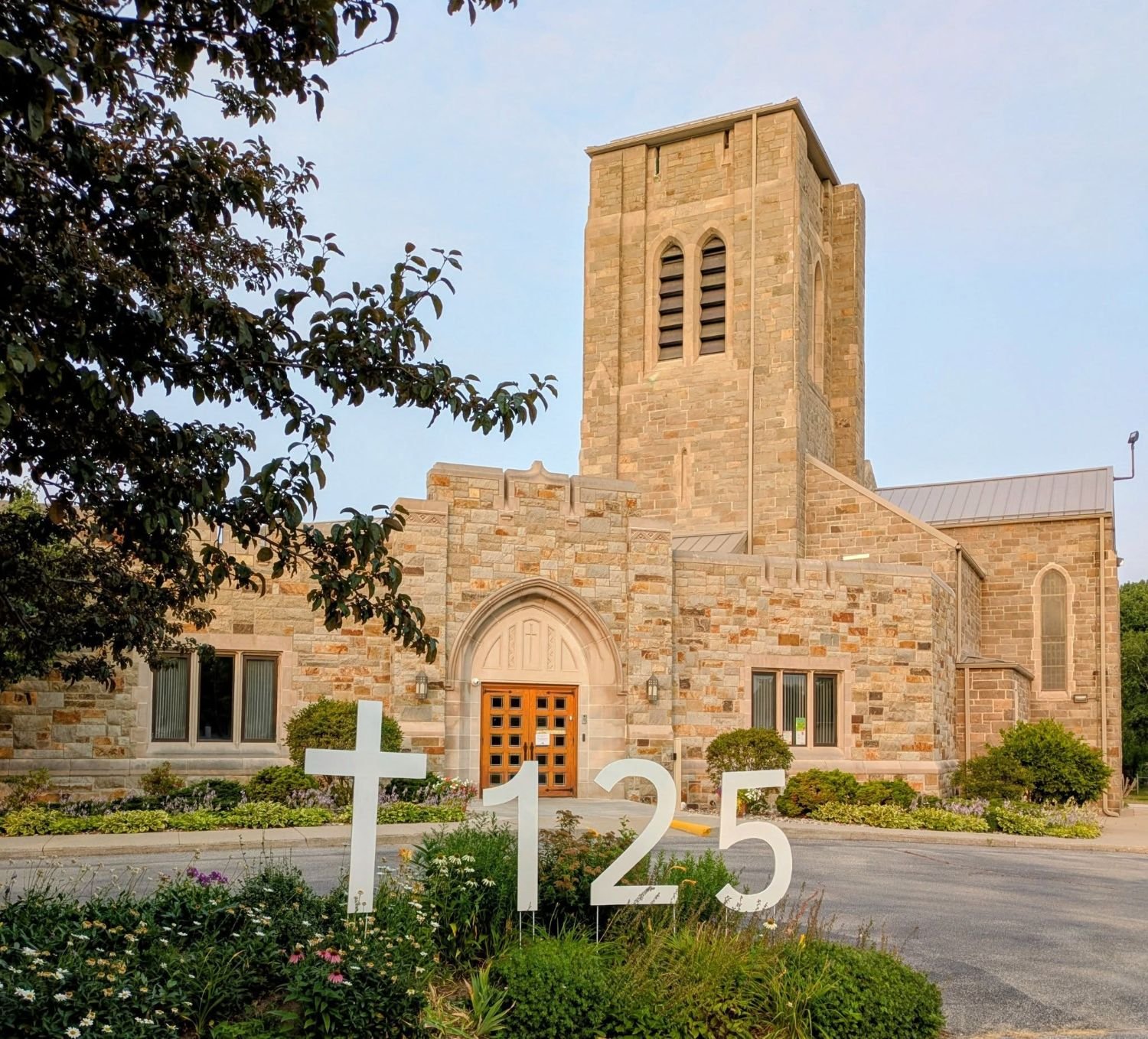
Zion’s story begins long before a congregation had a name or a building. In the late nineteenth century, Lutheran families were already putting down roots in the southwestern part of Bay City—an area known as Salzburg—and in nearby Monitor Township. These families gathered around God’s Word and Sacraments, even when worship required long travel to congregations such as St. Paul Lutheran Church in Frankenlust Township and Immanuel Lutheran Church on the east side of the river.
What looked like ordinary settlement was, in truth, holy preparation. God was gathering His people, shaping hearts, and quietly laying the groundwork for greater things yet unseen.
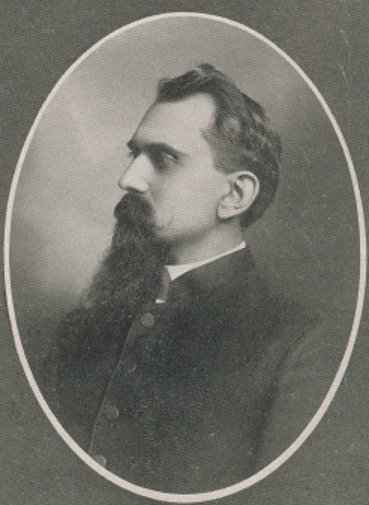
In November 1900, the Rev. Dr. Carl F. Graebner of Immanuel Lutheran Church began a Sunday School—often called a Bible Class—on Salzburg Avenue. Its purpose was simple: to bring the Word of God closer to members living on the west side of the river. Yet God had more in mind.
As attendance grew and hearts were stirred, it became clear that this gathering was not merely an extension of another congregation. It was the seed of something new. On July 23, 1901, Zion Evangelical Lutheran Church of West Bay City was officially incorporated.
The charter members—representing families willing to step forward in faith—were Johan Michael Arnold, Richard Born, Johan Hufnagel, Johan F. Loessel, August Rahn, Friedrich Reichard, Heinrich Ruhlig, Gustav Stroemer, Otto Stroemer, Rudolf Stroemer, and Ferdinand Wendt. Together with Dr. Graebner, they and their faithful families trusted that God would do far more than they could ask or imagine.
Zion’s first house of worship reflected both humility and hope. The congregation purchased a wooden frame building at the corner of Ivy and Kiesel Streets—formerly the Salzburg Band Hall—for $1,500. With care and sacrifice, it was transformed into a place set apart for preaching Christ crucified and risen.
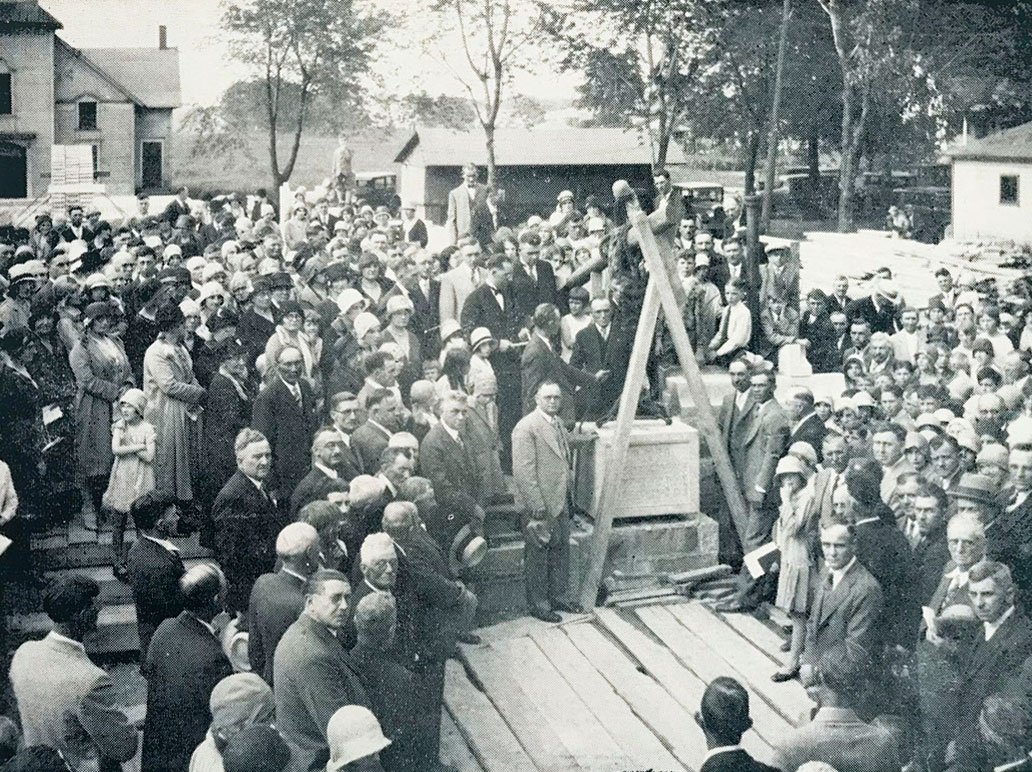
For $70 the building was decorated as a church. A used organ was purchased for $100. Pews and a steeple were added. A cornerstone was laid. On June 15, 1902, the building was dedicated to the glory of God.
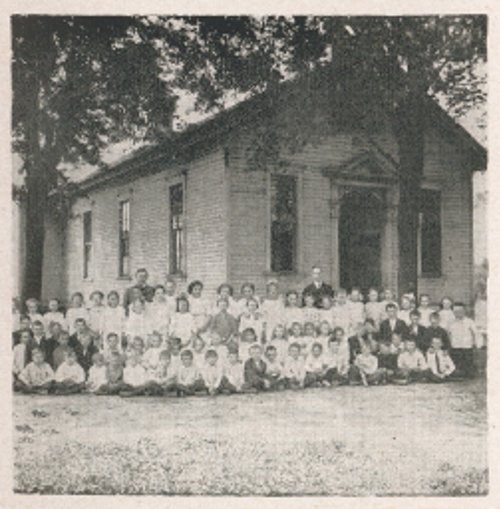
From its earliest days, Zion understood that the Gospel was not only to be preached on Sundays but taught daily to children. In November 1903, the congregation purchased the Salzburg District School—also known as the Stone School—from St. Paul Frankenlust. Established in 1883, the school came with a building, a teacher’s house, and a teacher.
Located on what is now Woodland Avenue between Kiesel and Raymond Streets, the school became a cornerstone of Zion’s mission. Here, children learned reading and arithmetic alongside the Catechism, Scripture, hymns, and prayer.
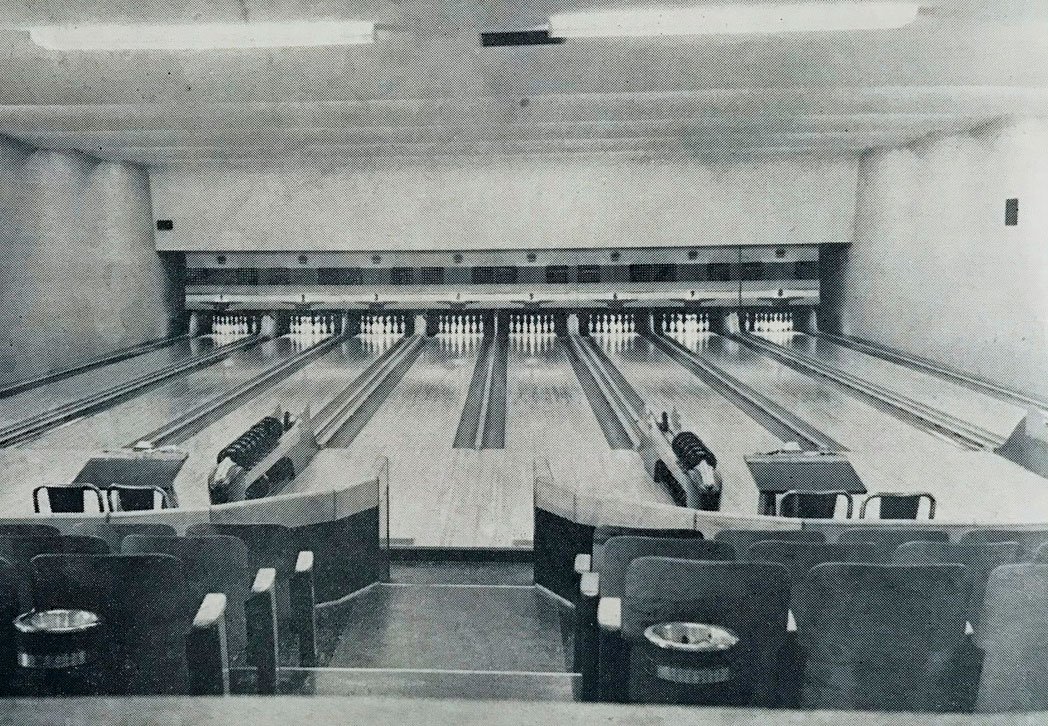
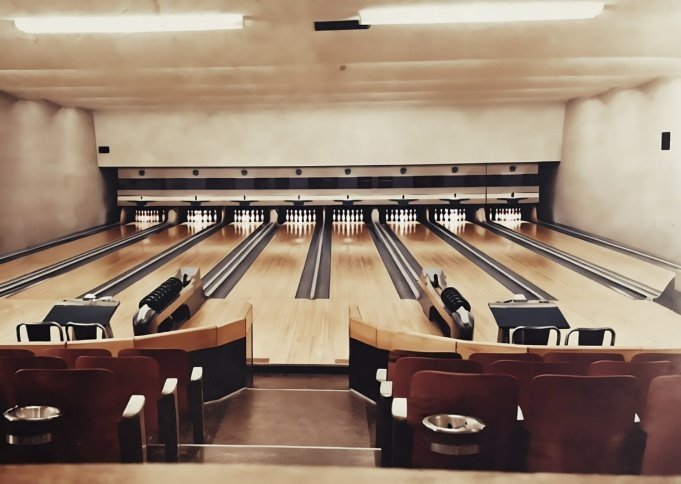
As enrollment increased, so did the vision. In 1916, a new red brick school was constructed on the northwest corner of Ivy and Raymond Streets. It housed four classrooms serving eight grades, a second-floor auditorium with a stage and kitchen, and even basement bowling alleys—signs that education, worship, and fellowship all mattered deeply to Zion’s life together.
The years surrounding World War I brought both growth and uncertainty. Membership increased steadily as families gathered around Word and Sacrament. Zion’s identity was being shaped not by ease, but by faithfulness—faithfulness in worship, in education, and in trust that God was still at work.
By the early 1920s, it was clear that Zion was outgrowing its original facilities. Plans and conversations began to look toward the future. What had started with a Bible class and a converted band hall was becoming a firmly rooted congregation, ready to step forward once again in faith.
As Zion Lutheran Church and School celebrates its 125th anniversary, these early years remind us that our history is simply not a record of dates and buildings. It is a testimony to Jesus’ faithfulness—preaching the Gospel, forgiving sins, forming disciples, and blessing His people through Word, Sacrament, and Christian education.
The same Lord who gathered families in Salzburg, who blessed a Bible class, who filled a converted band hall with praise, and who shaped children in classrooms continues to lead Zion forward today.
And His promise still stands: You will see greater things than these.
By the early 1920s, Zion was no longer a fragile mission outpost. The small band of charter families had grown into a thriving congregation. Children filled the red brick school built in 1916. Worship services were well attended. Confirmations were frequent. New families continued to arrive in the Salzburg neighborhood. Yet something was becoming clear.
The original church building—the former band hall lovingly transformed in 1902—was no longer sufficient for what God was doing. Attendance stretched its capacity. The growing school and congregation required more room, more structure, and more permanence. But Zion’s leaders were not merely thinking about square footage. They were thinking about the future.
During these decades, Zion was served by faithful pastors and teachers who shaped its identity through steady preaching and careful catechesis. Their names are woven into our story because their work was not administrative—it was deeply pastoral. They baptized children who would later serve in war. They confirmed students who would become lifelong members. They stood beside hospital beds and gravesides. They opened the Scriptures Sunday after Sunday, and proclaimed Christ crucified and risen.
Rev. Dr. H.A. Mayer would later reflect that the strength of Zion was never primarily its buildings, but its foundation in the Gospel—the steady proclamation of forgiveness through Jesus Christ.
By the mid-1920s, discussions intensified about constructing a new sanctuary—one that would serve not just the present generation, but generations yet to come. Plans were drawn. Committees formed. Funds were gathered carefully and prayerfully. Then came October 1929.
The stock market crash ushered in the Great Depression. Banks failed. Jobs disappeared. Families struggled. Across the nation, construction projects were halted. Zion, however, did not abandon the vision. This was not reckless. It was trusting with a holy resolve that Jesus is the Lord of His Church. The people of Zion understood something deeply Lutheran and deeply biblical: the Church does not build because times are easy; the Church builds because Christ is faithful.
Pastor Mayer also shared how involved the members of Zion were to the building program—everyday they would watch the progress, suggesting better ways to accomplish things and making sure that everything was done to the glory of God. It is difficult for us today to fully appreciate what it meant for Zion to proceed with constructing its present church during the darkest economic years in American history.
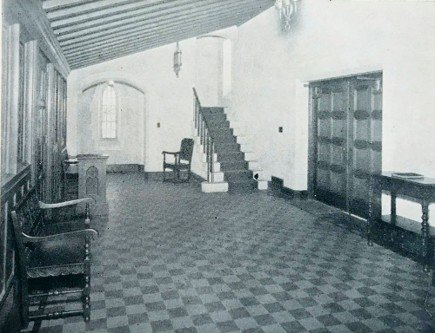
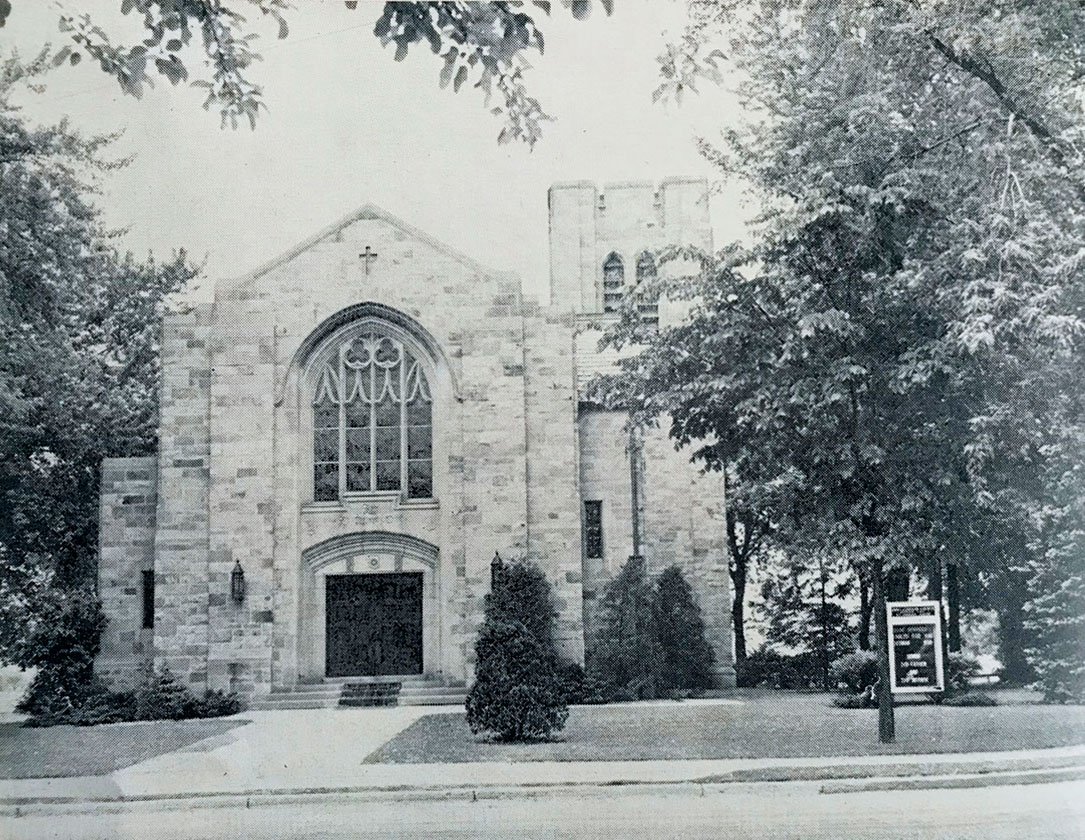
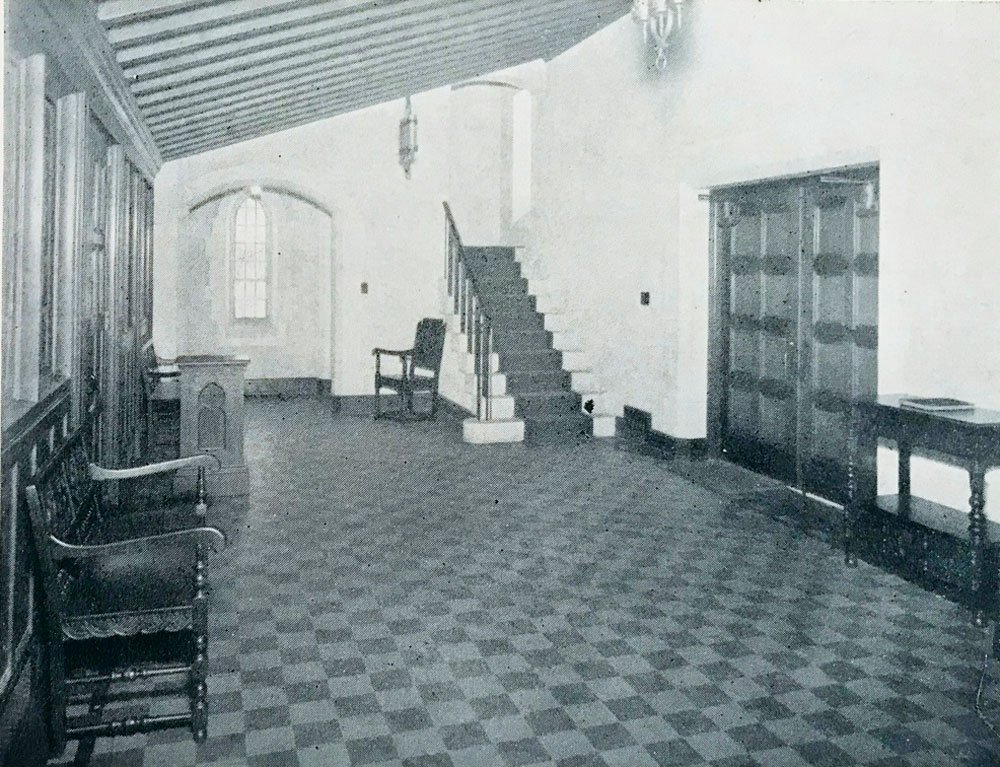
Members were not wealthy. Many were working-class families. Some had little more than steady hands and determined hearts. And yet bricks were laid. Beams were raised. Offerings were gathered. Pledges were honored. Labor was given. What stood upon this corner was more than a building. It was a confession. Amid national uncertainty, Zion declared by its actions that Jesus Christ is the same yesterday and today and forever.
Looking back, it would have been easy to delay. To wait for “better conditions.” To shrink the vision. But Zion did not measure possibility by the Dow Jones Industrial Average. They measured it by the promises of Christ. That is not ordinary institutional survival. That is spiritual courage. That is Greater Things.
As the decade closed, global tensions again began to rise. A new war loomed on the horizon. But Zion entered the 1940s not weakened—but strengthened. Children had been catechized and instructed by faithful teachers like Mr. Weiss who served at Zion for more than thirty years. Families had been grounded. A sanctuary stood as testimony. The Lord who had sustained Zion through one world war and an economic collapse would sustain them again. Because the promise had not changed: “You will see greater things than these.”
Greater Things are not always louder. They are often steadier. They look like: A congregation building during hardship. A teacher opening the Catechism during the Depression. A pastor preaching forgiveness to anxious hearts. A people trusting Christ more than circumstances. The same Lord who sustained Zion through those days continues to guide us today. And the story is not finished. Greater Things are still ahead!
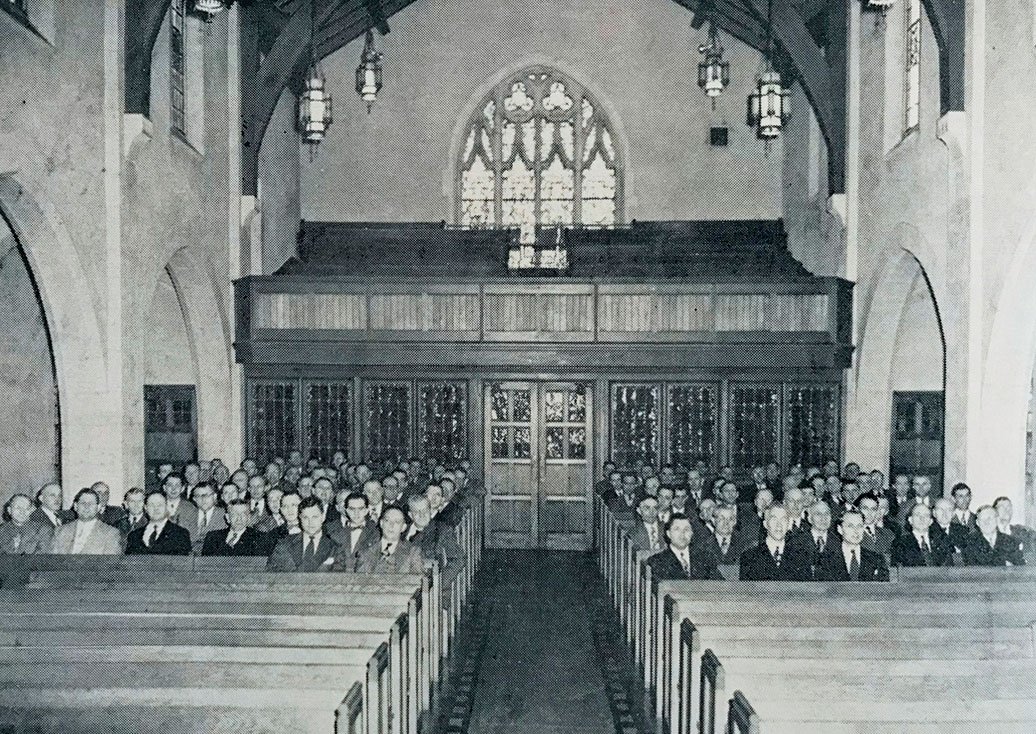
When the 1940s dawned, Zion Lutheran Church in Bay City stood confident and steady. The stone sanctuary built in 1930—dedicated in the shadow of the Great Depression—had become a beacon of hope in the community. The world, however, was changing again.
War crept closer. Sons and daughters of the congregation answered the call to serve. In homes, prayers rose daily for safety and peace. Even as bay windows were darkened to save electricity and ration books were used limiting needed supplies for families, the Word of the Lord did not falter. Victory Vesper services became moments of shared lament and quiet courage as names of those in the armed forces were read and remembered. Behind each name was a family in the pews, a teacher who prayed, a pastor who wrote letters. In those dark years, the sanctuary built in faith stood as both refuge and rallying point—reminding all that “God is our refuge and strength, a very present help in trouble.”
Peace brought both relief and transition. In 1946, after nearly two decades of ministry, Rev. Dr. Herman A. Mayer accepted a call to serve as Assistant Secretary of Missions for the Lutheran Church—Missouri Synod. Later that year, Zion welcomed a new shepherd: Rev. Herman F. Zehnder, a pastor known for his warmth, energy, and confidence in God’s provision. His installation marked the beginning of a new chapter of vigor and vision. That same year, long-serving teachers John G. Weiss and Oscar F. Bach retired after decades of faithful instruction. Mr. Walter E. Senne became school principal, and Mr. Fred C. Buddenbaum joined the faculty alongside Mr. Edward P. Wirth. With these changes came renewed energy for Christian education.
Zion’s members were not content to rest on their blessings. Even before the war had ended, a seed had been planted. In 1944, member William G. List called attention to the congregation’s cramped school and inadequate facilities for fellowship and youth work. Out of that conversation grew a bold idea: a Memorial Building—to honor those who served in World War II and to serve future generations in faith, learning, and community.
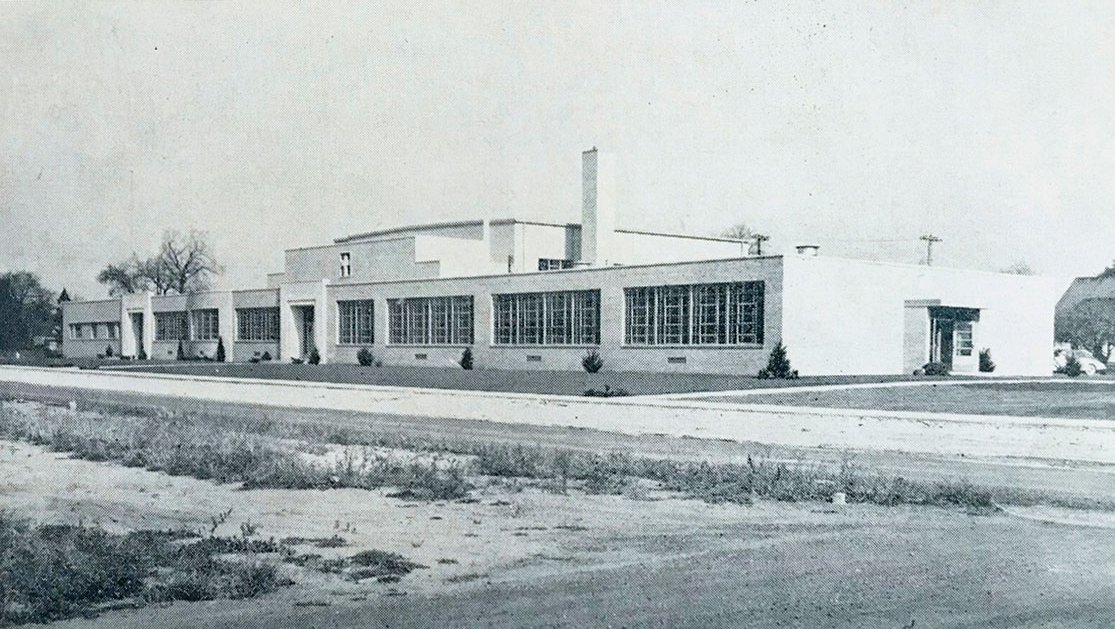
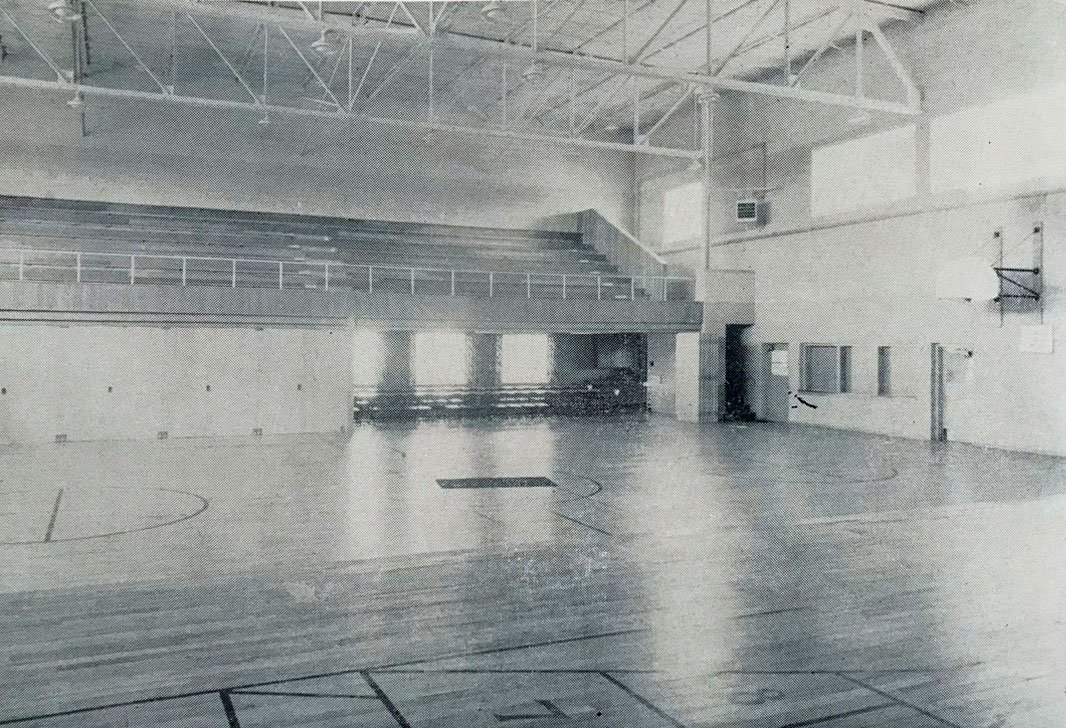
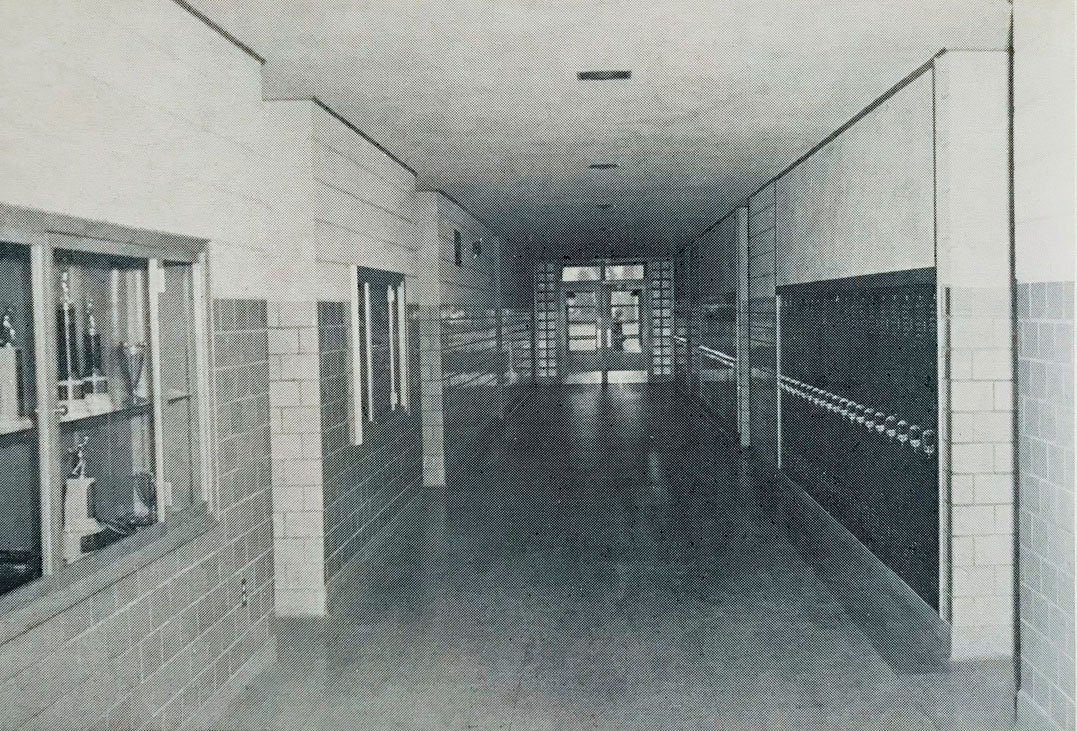
What began as an idea soon took form. The congregation purchased new property from Martin Keit—land that would become the site of Zion’s next great undertaking. Plans were drawn. Prayers lifted. The Memorial Building would include classrooms, a gymnasium and auditorium, bowling alleys, and a kitchen—everything necessary to support a growing school and vibrant congregational life.
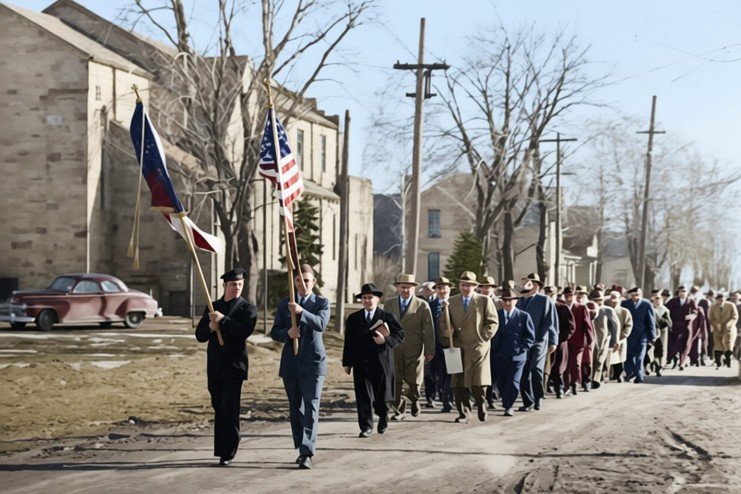
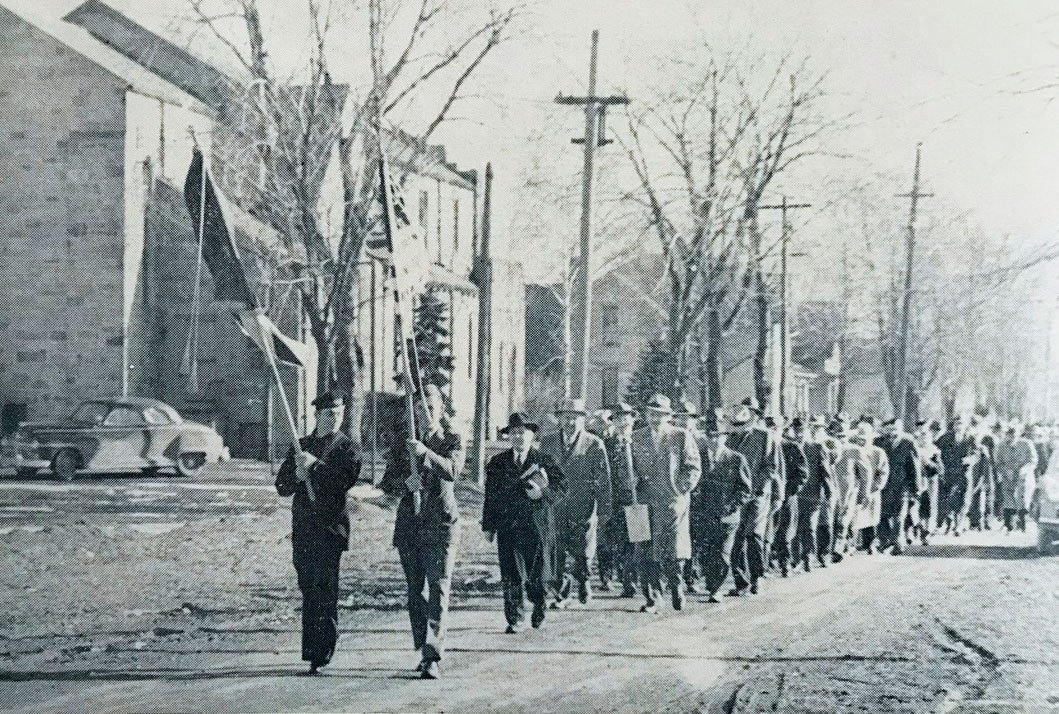
On a crisp March morning in 1949, ground was broken. By autumn, brick by brick, the vision had become reality. On Reformation Sunday, October 30, 1949, the Zion Lutheran Memorial Building was dedicated with rejoicing. The Rev. Andrew Zeile, president of the Michigan District, preached the dedicatory sermon, and the Rev. Paul Dannenfeldt offered a moving memorial service for those who had given their lives in war. The day was filled with gratitude—to God for His mercy, and to His people for faith that acts.
The price tag of $336,581 was steep, but Zion had long since learned that faith’s worth cannot be measured in dollars. The building stood—and still stands—as a visible declaration: the Lord’s work among His people is never finished.
As the new decade began, Zion prepared to celebrate her Golden Jubilee—50 years of grace. Pastor Zehnder opened the year in 1951 by reminding the congregation of their true calling: “to thank and praise God for the blessings of the past, and to dedicate ourselves anew to the doing of His will.”
That summer, Zion’s sanctuary and memorial hall filled with services, music, reunions, and stories. Former pastors returned to preach—Rev. Brunn, Rev. Mayer, and others—each recalling the hand of God that had guided Zion through beginnings, building projects, and changing times. Membership exceeded a thousand communicants. The school brimmed with children eager to learn both academics and faith. It was not just numerical growth—it was spiritual momentum.
The 1950s brought continued expansion—of people, of programs, and of God’s vision for Zion. Construction crews returned in 1957 to expand the Memorial Building with additional classrooms, a larger kitchen, and a spacious dining area, dedicated the following year at a cost of $134,567. Enrollment surged to more than 300 students. New teachers, including E. W. Hitzemann and Curtis Freudenburg, joined a growing faculty. Zion also became a training ground for future pastors through its vicarage program. Young seminarians such as Lowell Rusch—later ordained and installed as assistant pastor—learned the rhythms of parish life in Bay City, walking the same streets trod by generations before them.
By the time of Zion’s 60th anniversary in 1961, the congregation’s numbers had swelled to over 2,000 baptized members. Yet statistics tell only part of the story. Theirs was a faith not of ease but endurance, not of comfort but conviction—a faith that built schools and sanctuaries even when the world was uncertain, trusting that God had still more greater things ahead.
Looking back from our 125th year, the decades of 1940–1960 remind us of this timeless truth: When God’s people take Him at His Word, the future is never small.Those who lived through war, rebuilding, and relentless growth could hardly imagine the generations yet to come—but they trusted the same promise we claim today: “You will see greater things than these.”
In the decades following World War II, Zion Lutheran Church in Bay City entered a season of remarkable growth and opportunity. By the early 1960s, Zion was a thriving congregation filled with young families. The post-war “baby boom” had transformed the life of the church. Classrooms were full, hallways were busy, and the sound of children learning and singing echoed through the school each day. In fact, enrollment reached some of its highest levels during this time, reflecting both the strength of the congregation and the importance placed on Christian education.
This growth had already led to expansion. Just a few years earlier, in 1957, additional classrooms had been added to meet the needs of more than 300 students—a sign that Zion’s school was not simply surviving, but flourishing.
But the story of Zion in the 1960s is not only one of numbers—it is a story of identity. For generations, Zion had worshiped in both German and English. Yet by 1964, a significant transition took place: the final regularly scheduled German services came to an end. From that point forward, the congregation spoke with one voice in English, signaling a new chapter as Zion continued to reach into the community and into a new generation.
Throughout these years, music remained at the heart of Zion’s life. Choirs for children and adults, instrumental groups, and school music programs filled worship with song. The people of Zion did not simply attend church—they lifted their voices together, embodying the joy of the Gospel in word and song.
The 1970s brought both stability and new opportunities for ministry. As families continued to come through Zion’s doors, the congregation looked for new ways to serve them. In 1978, an important step was taken with the creation of an early childhood program—what began as a preschool and “Young 5’s” class opened the door for even younger children and families to be formed in Christ from their earliest years.
At the same time, Zion remained deeply connected beyond its own walls. The congregation supported mission efforts, participated in community outreach, and even played a role in helping establish other Lutheran churches throughout Bay County—extending the reach of the Gospel far beyond its corner of Ivy and Kiesel.
Through it all, one thing remained unchanged. Whether in crowded classrooms, full pews, or the quiet faithfulness of daily teaching and learning, Zion’s mission endured: to bring the Word of God to the next generation.
And so, from 1960 to 1980, Zion Lutheran Church and School stood as a place where children were baptized, students were taught, families were strengthened, and the Gospel of Jesus Christ was proclaimed with clarity and joy. It was a time of growth. A time of transition. And above all, a time of God’s faithfulness as we continue to be blessed by the Greater Things Jesus has done in this place and is yet to do through the ministry of Zion.
The final two decades of the twentieth century were years of both challenge and renewal for Zion Lutheran Church and School in Bay City. Like many churches across Michigan, Zion experienced a changing world. Families moved. Neighborhoods shifted. Enrollment patterns rose and fell. Yet through every transition, Zion remained anchored in the same mission it had carried since 1901: proclaiming Christ and teaching the next generation.
During the late 1970s and into the 1980s, Zion expanded its ministry to young families through the creation of the Early Learners Christian Center. What began with preschool and Young 5’s classes became an important doorway into the life of the congregation, welcoming children at their earliest stages of learning and surrounding them with the love of Jesus.
These years also became a season marked by faithful teachers and staff who shaped countless young lives. In 1981, teachers Judy Yost and Jan LaRocque were called to Zion. Their service reflected something deeply woven into Zion’s identity: Christian education rooted not only in academics, but in worship, music, and daily life in God’s Word. Music especially flourished during this era, as choirs, school programs, instrumental groups, and congregational singing continued to fill the sanctuary and school halls with praise.
In 1985, David Waltz was called to serve as principal during a time when the school sought stability and renewed direction. Under his leadership, enrollment strengthened for a season, reaching nearly 250 students in 1987. Even as broader cultural and demographic changes later affected enrollment across many Lutheran schools, Zion continued to invest in Christian education and remained committed to its mission in Bay City.
But Zion’s story in these decades was never only about classrooms. It was about people. The Ladies Guild, Lutheran Women’s Missionary League, youth groups, couples clubs, scouts, choirs, and fellowship organizations all helped weave together a congregation deeply connected in worship and service. Zion’s gymnasium, meeting rooms, and school building were constantly alive with activity—Bible studies, athletic events, music rehearsals, community gatherings, and celebrations of faith.
At the same time, Zion looked beyond its own walls. The congregation supported local outreach through the Bay County Food Pantry, blood drives, and community ministries. Zion also continued its historic role in helping establish Lutheran congregations throughout Bay County, extending the reach of the Gospel far beyond Ivy and Kiesel Streets.
As the year 2000 approached, Zion stood at the threshold of a new century. There had been changes. There had been challenges. But there had also been extraordinary faithfulness. For nearly one hundred years by that point, generations of pastors, teachers, parents, and students had gathered at Zion to hear God’s Word, sing His praises, baptize His children, and proclaim the saving Gospel of Jesus Christ. And as one century closed and another began, Zion prepared to continue doing what it had always done: Teaching the faith. Singing the faith. Living the faith. And passing that faith to the next generation.
The first twenty years of the twenty-first century marked one of the most significant periods of transition in Zion’s history. As the year 2000 dawned, Zion stood on the threshold of a new century. The congregation had served Bay City for nearly one hundred years, and there was a growing sense of gratitude for God’s faithfulness and anticipation for what He would do next.
That anticipation became celebration in 2001 as Zion marked its 100th anniversary. Members and former members gathered for a year of special events culminating in a large outdoor worship service and congregational celebration. Looking back on a century of ministry, Zion gave thanks for generations of pastors, teachers, students, and families who had gathered around God’s Word and Sacraments on the corner of Ivy and Kiesel.
But Zion was not content merely to celebrate the past. Inspired by the milestone anniversary, the congregation began dreaming about the future. Those dreams became reality through a major building and renovation project completed in 2005. New ministry space was added to the church, including offices, fellowship areas, classrooms, and a barrier-free entrance that made the facility more welcoming and accessible. The school also received significant improvements, including updated classrooms, renovated hallways, improved parking, and enhancements throughout the campus. Remarkably, the $850,000 project was completed and eventually paid off, demonstrating both faithful stewardship and a shared commitment to ministry.
The school also adapted to meet the needs of a changing generation. A junior-high model was introduced, allowing students to learn from teachers specializing in different subject areas. After-school care expanded and eventually developed into the childcare ministry that continues to serve families today. Throughout these years, teachers and staff worked tirelessly to provide students not only with academic excellence but also with a daily foundation in God’s Word.
Technology began changing ministry as well. New audio-visual systems were installed, worship services incorporated new tools for communication and music, and eventually livestreaming allowed Zion to reach people beyond the walls of the sanctuary. What once seemed impossible became a new opportunity to share Christ with the wider community.
These years also brought challenges. Like many Lutheran churches and schools across the Midwest, Zion experienced changing demographics, fluctuating enrollment, and the realities of a rapidly changing culture. Yet through every challenge, the congregation remained committed to Christian education, outreach, worship, and caring for one another. New ministries emerged, service opportunities expanded, and students continued to hear about Jesus every day.
Perhaps the defining theme of these years was learning to trust God in times of change. New leaders arrived. Others retired after decades of faithful service. Ministries evolved. The congregation faced difficult decisions and new opportunities. Yet through it all, the mission remained unchanged.
As 2020 approached, Zion stood much as it had in 1901—different in many ways but rooted in the same Gospel. The buildings had changed. Technology has changed. The community around the church had changed. But the message had not changed.
These years brought growth and new opportunities for ministry. Worship, Christian education, and outreach continued to flourish as generations of families gathered around God’s Word and Sacraments. Zion’s Christian Day School, preschool, and childcare ministry faithfully partnered with parents in nurturing children in both faith and learning, preparing them to serve Christ in their homes, schools, churches, and communities.
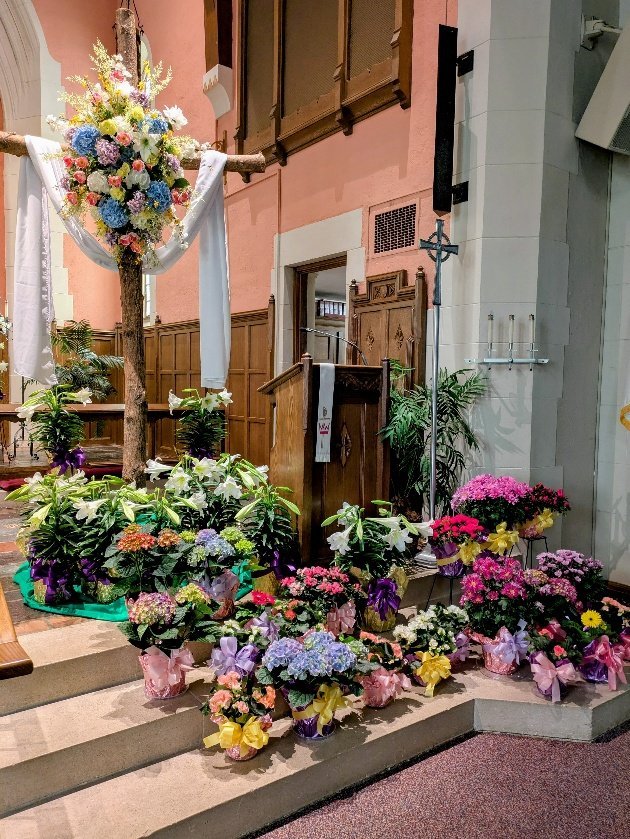
The congregation embraced new opportunities to reach beyond its walls through community events, mission partnerships, compassionate care ministries, youth and family programs, Bible studies, and servant opportunities both locally and around the world. Technology also became an increasingly important tool for sharing the Gospel, allowing worship services, Bible studies, and devotions to reach members and friends in new ways.
Like every generation before it, Zion also faced seasons of challenge. Economic uncertainty, changing demographics, and ultimately the worldwide COVID-19 pandemic tested the congregation’s resolve. Yet even during times when gathering together looked different, God’s Word continued to be proclaimed, His people continued to receive His gifts, and the mission of the Church moved forward. The Lord once again proved faithful, providing strength, wisdom, and countless opportunities to demonstrate Christ’s love in practical ways.
As one generation passed the torch of faith to the next, Zion remained anchored in the promises of Christ and confident that the One who had blessed the congregation throughout its history would continue to do “greater things” in the years to come.